How PIM & DAM Improve Omnichannel Commerce for Australian Brands
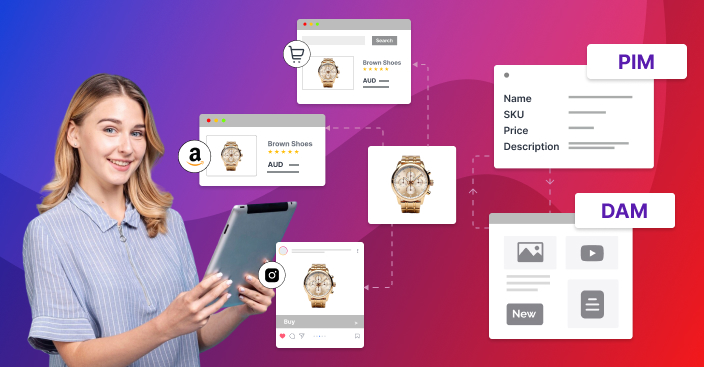
Table of Contents
In today’s competitive digital landscape, Australian brands are expanding across multiple channels, ranging from eCommerce websites and mobile apps to marketplaces and in-store experiences.
While this omnichannel presence creates new growth opportunities, it also introduces a significant challenge: managing vast amounts of product data and digital content consistently.
This is where PIM and DAM systems come into play. A well-structured PIM system ensures accurate product data, while a Digital Asset Management (DAM) system manages rich media like images, videos, and marketing assets.
At Magneto IT Solutions, we help businesses unlock the full potential of PIM and DAM integration, enabling seamless omnichannel commerce and consistent brand experiences across every customer touchpoint.
In this blog, we will explore how PIM and DAM work together to enhance the omnichannel experience for Australian brands.

Understanding PIM and DAM Systems in Omnichannel Commerce
To fully understand their impact, it’s important to look at how both systems function individually and together.
What Is a PIM System?
A PIM system is designed to centralise, manage, and distribute product-related data such as descriptions, specifications, pricing, and availability. It acts as a single source of truth, ensuring that product information remains consistent across all sales channels.
For Australian retailers dealing with large and dynamic product catalogues, a PIM solution simplifies data management and ensures accuracy at scale.
What Is a Digital Asset Management (DAM) System?
A Digital Asset Management (DAM) system focuses on storing, organising, and distributing digital assets such as product images, videos, brochures, and marketing creatives.
DAM systems go beyond simple storage by enabling advanced search, metadata tagging, and version control, making it easier for teams to find and use the right assets efficiently.
Key Difference Between PIM and DAM
While both systems manage critical business data, their roles are distinct. A PIM system handles structured product data, such as descriptions and pricing, whereas a DAM system manages visual and multimedia assets, such as images and videos.
Together, they form a powerful ecosystem that ensures both data and visuals are aligned across all platforms.
Why PIM & DAM Integration Matters for Omnichannel Commerce
Managing product data and digital assets separately often leads to inefficiencies, inconsistencies, and delays. Without integration, businesses may struggle to align product descriptions with the correct images or ensure updates are reflected across all channels.
Creating a Single Source of Truth
When PIM and DAM systems are integrated, they create a unified ecosystem that connects product data and assets. According to Gartner, poor data quality costs organizations an average of $12.9 million annually.
This ensures that every product listing includes accurate information along with the correct visuals. As highlighted by industry insights, integrating both systems allows businesses to “marry” product data with corresponding imagery, ensuring consistency across channels.
Improving Workflow Efficiency
A strong PIM and DAM integration automates processes such as asset linking, data updates, and content distribution. This reduces manual effort and eliminates errors caused by disconnected workflows.
Teams across marketing, sales, and eCommerce can collaborate more effectively, accessing both product data and assets from a single platform.
Enhancing Customer Experience
Customers today expect detailed product information supported by high-quality visuals. By combining a PIM system with a DAM solution, businesses can deliver rich, consistent, and engaging product experiences.
According to Salsify, 87% of shoppers say product content is extremely or very important when deciding to buy. This directly impacts conversion rates, as customers are more likely to purchase when they have access to accurate information and compelling visuals.

Benefits of PIM and DAM Integration for Australian Brands
Unlocking seamless data and asset management to deliver consistent, scalable, and high-impact omnichannel experiences.
Faster Time-to-Market
With streamlined workflows and automated processes, businesses can launch products faster across multiple channels. This is particularly important in competitive Australian markets where speed can be a key differentiator.
Consistent Brand Experience Across Channels
A connected PIM and DAM ecosystem ensures that product data and assets remain consistent across websites, apps, marketplaces, and physical stores.
This consistency builds trust and strengthens brand identity.
Improved Operational Efficiency
By reducing manual processes and eliminating data silos, businesses can significantly improve operational efficiency. Teams spend less time searching for assets and more time focusing on strategic initiatives.
Scalability for Growth
As product catalogues and digital assets grow, integrated systems scale effortlessly. This makes PIM implementation and DAM implementation essential for long-term growth.
PIM Implementation and DAM Implementation: Key Considerations
Implementing these systems requires a strategic approach to ensure maximum value.
Understanding Business Requirements
Before starting a PIM implementation or DAM implementation, businesses must evaluate their data structure, workflows, and integration needs.
Choosing the Right PIM Solution and DAM Solution
Selecting scalable and flexible platforms is critical. Businesses should seek solutions that enable seamless integration and future growth.
Ensuring Smooth Integration
The success of PIM and DAM integration depends on how well both systems communicate. Proper planning and expert guidance are essential to ensure seamless data and asset flow.
Continuous Optimisation
Implementation is just the beginning. Regular updates, monitoring, and optimisation ensure that the systems continue to deliver value as the business evolves.
How Magneto IT Solutions Helps Australian Brands
At Magneto IT Solutions, we specialise in delivering end-to-end PIM and DAM solution & services tailored to business needs
As a trusted technology partner, we help Australian brands implement scalable systems, streamline workflows, and unlock the full potential of PIM and DAM integration.
From consultation to execution, our team ensures that your digital commerce ecosystem is efficient, connected, and ready for future growth.
Conclusion
In an omnichannel world, managing product data and digital assets separately is no longer sustainable. Businesses need a unified approach that ensures consistency, efficiency, and scalability.
By integrating a PIM system with a Digital Asset Management (DAM) system, brands can deliver seamless customer experiences, accelerate time-to-market, and drive long-term growth.
With the right partner, such as Magneto IT Solutions, Australian businesses can confidently implement PIM and DAM to stay ahead in a competitive digital landscape.
FAQs
 What is the difference between a PIM system and a DAM system?
A PIM system manages structured product data, such as descriptions and pricing, while a DAM system manages digital assets, such as images and videos.
Why is PIM and DAM integration important?
Integration ensures that product data and assets are aligned, improving efficiency, consistency, and customer experience across channels.
How do PIM and DAM support omnichannel commerce?
They ensure consistent product information and visuals across all touchpoints, enabling seamless customer journeys.
How long does PIM and DAM implementation take?
The timeline depends on business complexity but typically ranges from a few weeks to several months.
Can small businesses benefit from PIM and DAM systems?
Yes, even small businesses can improve efficiency, reduce manual work, and scale operations with these systems.
Why choose Magneto IT Solutions for PIM and DAM?
Magneto IT Solutions offers tailored strategies, seamless integration, and scalable solutions to help businesses maximise their digital commerce potential.