Enhancing Grocery Store Operations with Robust Technologies
Table of Contents
Australia has over 20 million active grocery shoppers, and the way they buy groceries has permanently shifted. The short answer for grocery retailers is this: the businesses winning right now are the ones treating inventory, supply chain, POS, and customer engagement as connected digital systems, not four separate manual processes. Retailers still running on spreadsheets and paper-based stock checks are already behind, and the gap is widening fast.
According to Efoodinsights’ Australian online grocery report, 52.1% of Australians still prefer buying groceries in-store, but that leaves 48% already doing at least some of their grocery shopping online and roughly 15% of that group now buy most or all of their groceries online. Customers in both camps expect the same things: convenience, speed, and a shopping experience that feels personalised to them, whether they’re scanning a shelf or scrolling an app.
The catch is that most Australian grocery retailers are still running core operations inventory, supply chain coordination, customer engagement on outdated manual processes.That gap is exactly where the opportunity sits: every retailer still relying on guesswork and spreadsheets is a retailer a faster-moving competitor can outpace. Grocery eCommerce experts can help bridge this gap in Australia.
This guide covers why Australian grocery retailers need to digitise now, the core operations technology can transform, the benefits retailers are already seeing, and the emerging tech worth watching next.

Why do Australian Grocery Retailers Need to Go Digital?
Three forces are driving this shift at once:
- Post-pandemic shifts: Online grocery shopping surged over the past three years and has stayed elevated, making digital capability a baseline expectation rather than a bonus feature.
- Customer expectations: Shoppers expect a seamless experience whether they’re in-store, on a website, or ordering through a mobile app — and they notice immediately when those channels feel disconnected.
- Competitive pressure: Woolworths and Coles have already built out mature digital ecosystems, which raises the baseline expectation for every smaller retailer competing in the same market.
Choosing the right online grocery store development partner and investing in the right platform and delivery infrastructure directly supports staying competitive. Streamlining operations and strengthening customer loyalty both improve profitability and reduce the waste that comes with mismanaging perishable stock.
Technology adoption unlocks capability that manual processes simply can’t match. Big data and AI can bring inventory management under control, while data-driven analytics deliver the precise insight needed for real personalisation and targeted marketing. The question for Australian grocery retailers has stopped being “should we adopt technology?” — it’s now “how soon can we get started?”
Core Grocery Store Operations Technology Can Transform
Selling groceries online is straightforward. Building a genuinely great online grocery experience is not — it depends on the right technology choices applied to the operations that actually shape whether a customer comes back.
Inventory Management
Picture a customer searching for their usual flour brand and finding an empty shelf — or a backroom quietly overstocked with products about to expire. Balancing supply and demand for perishable goods is a constant pressure point, and steep discounts on near-expiry stock rarely move enough volume to offset the loss.
AI-driven inventory automation solves this directly. Paired with IoT sensors, it tracks stock levels in real time, forecasts demand based on actual shopping patterns, and flags reorder points before shelves go empty — turning inventory management from reactive guesswork into a data-backed process.
Supply Chain Management
Delayed deliveries, supplier miscommunication, and rising costs are the usual culprits behind poor order fulfilment — and customers rarely give a grocery retailer a second chance after a bad delivery experience.
Smart supply chain technology addresses this at the source. Blockchain adds transparency, making it possible to trace a product from farm to shelf. AI tools identify inefficiencies in the chain and suggest faster, cheaper alternatives. Digital platforms that connect retailers directly with local suppliers also shorten delivery times and keep produce fresher on arrival.
Point-of-Sale (POS) Efficiency
Long checkout queues are one of the fastest ways to lose repeat customers, and an outdated billing system only makes the wait worse. That frustration affects sales more than most retailers realise, because a bad checkout experience is often the last thing a customer remembers about a visit.
Modern POS systems fix this from two directions. Mobile POS devices let staff process payments anywhere in the store, cutting queue times directly. Cloud-based POS Implementation Services add detailed sales analytics on top, making it easier to spot trends and double down on what’s actually selling.
Customer Engagement
Today’s shoppers expect personalisation as standard, not as a bonus and delivering it requires the right digital tools working together, not a single feature bolted on.
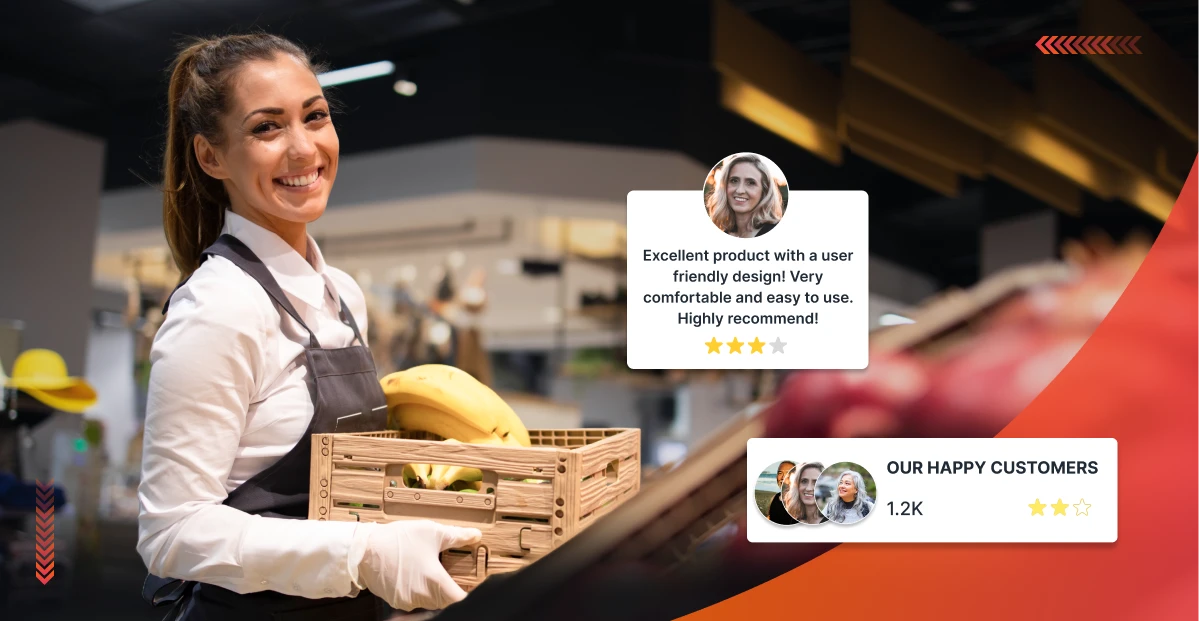
AI-powered CRM systems reveal customer behaviour and preferences at a level manual tracking never could. That data powers personalised offers, loyalty rewards, and targeted promotions sending a discount on a product a customer buys regularly, for instance, does more for retention than a generic storewide sale.
Workforce Management
Scheduling shifts, tracking performance, and coordinating logistics staff is a constant operational drag for grocery and delivery businesses, especially as headcount grows.
Modern workforce management software, layered into your existing ERP, automates shift planning and tracks performance against clear KPIs, giving managers a real-time picture of how the team is actually performing. Some platforms add employee self-service portals on top, cutting down the admin overhead even further.
Marketing Promos
Running social promotions and campaigns is the easy part; nearly every retailer does it. Measuring what’s actually working, and adjusting quickly, is where most campaigns fall short.
Connecting advanced analytics to your marketing tools closes that gap. Real-time data across social ads, email marketing, and app promotions shows exactly what’s driving purchases — particularly valuable for encouraging bulk orders so budget shifts toward what’s proven rather than what feels like it should be working.
Benefits for Grocery Business Owners
Digital transformation isn’t a luxury for Australian grocery retailers anymore it’s the baseline for staying competitive. For retailers still planning their digital journey, understanding the core strategies for building a successful grocery store can provide a strong foundation before implementing advanced operational technologies. Retailers who’ve made the shift consistently report the same categories of return:
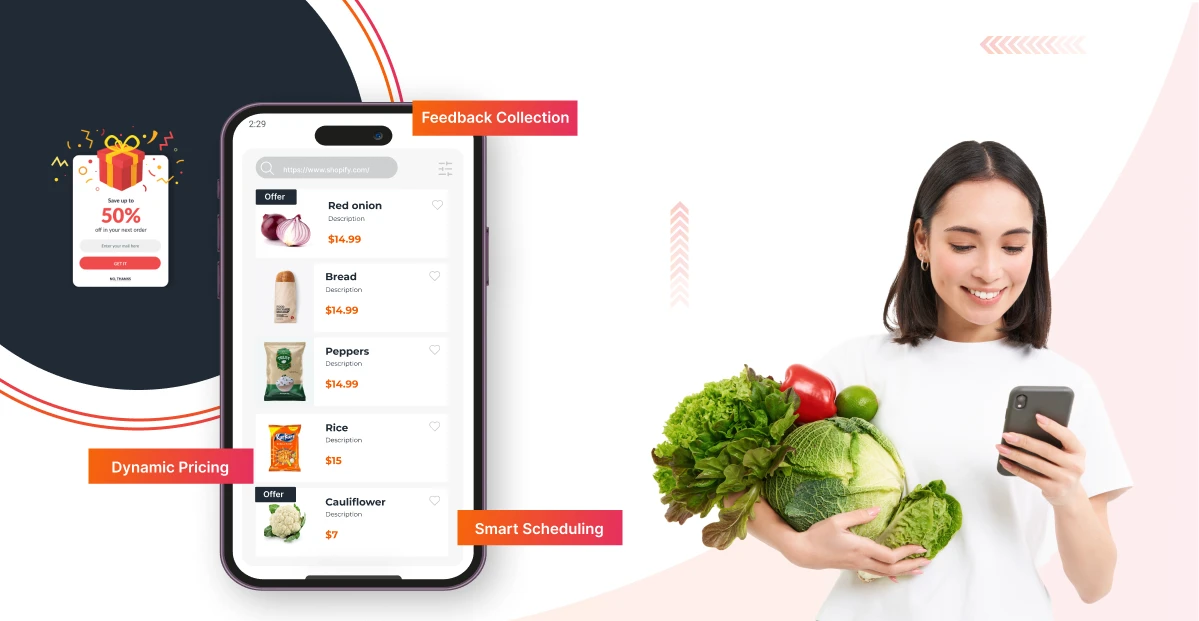
Here, we are mentioning some noteworthy rewards our retail clients in Australia have reaped after going digital.
- Enhanced Efficiency and Productivity: Automating routine operations frees up staff time for the work that actually grows the business.
- Improved Customer Experience: Personalisation engines and faster checkouts drive the kind of experience that brings shoppers back week after week.
- Cost Savings and Waste Reduction: Better stock management directly reduces spoilage and improves margins on perishable categories.
- Competitive Advantage: A strong digital presence signals a modern, capable brand — exactly what today’s grocery shoppers expect.
- Better Decision-Making with Data Insights: Real data replaces guesswork, making it easier to optimise store performance with confidence.
Future Technology for Sustainable Growth in the Grocery Market
Smart Store With Internet of Things (IoT)
IoT-enabled smart shelves and intelligent inventory systems track stock levels continuously, flag low inventory automatically, and can even trigger reorders without manual intervention — keeping shelves stocked and stockouts rare.
AR for Improved Shopping Experience
Augmented reality adds a layer of engagement traditional grocery shopping can’t match — virtual product try-ons, interactive product information, and guided in-store navigation all help customers feel more informed and engaged with what they’re buying.
Blockchain for Transparent Supply Chains
Blockchain makes it possible to securely record every step of a product’s journey from production to delivery. For customers increasingly concerned with sourcing and authenticity, that transparency builds a level of trust that marketing claims alone can’t achieve.
Voice Commerce for Convenient Shopping
As voice-controlled devices become more common in Australian homes, voice commerce lets customers reorder groceries hands-free, a natural fit for routine, repeat purchases like weekly staples.

RPA for Operational Efficiency
Robotic process automation (RPA) takes over repetitive back-office tasks order fulfilment, invoice generation, data entry reducing errors significantly and freeing staff to focus on higher-value work.
Data Analysis for Strategic Decision-Making
Advanced analytics turn raw transaction and behaviour data into a genuine understanding of customer patterns and market trends, helping retailers spot new growth opportunities and refine marketing spend with real evidence behind every decision.
Conclusion
The Australian grocery market is still in mid-transition, which makes now the right time to build a stronger digital foundation, not later once the competitive gap has widened further. Customer expectations and market dynamics keep evolving, and retailers who treat digital transformation as a one-off project tend to fall behind those who treat it as an ongoing capability.
Streamlining operations with the right technology matters, but it should never come at the expense of the customer experience that has to stay the priority if repeat, loyal customers are the goal. Connect with Magneto IT Solutions‘ grocery eCommerce experts to find out where digital commerce could remove the biggest limitations on your business’s growth.
FAQs
 Why should Australian grocery retailers invest in digital technology?
Because customer behaviour has already shifted 48% of Australians now buy at least some groceries online, and major retailers like Woolworths and Coles have set a digital baseline that smaller retailers need to match to stay competitive.
What's the biggest operational challenge for grocery stores in Australia?
Inventory management for perishable goods is typically the hardest to get right, since overstocking leads to waste while understocking loses sales. AI-driven inventory tools with real-time tracking address both problems at once.
How does AI help grocery store inventory management?
AI analyses shopping patterns and real-time stock data (often via IoT sensors) to forecast demand accurately, flag reorder points automatically, and reduce the waste that comes from manual, guesswork-based stock management.
Is voice commerce actually being used in grocery shopping?
Adoption is still early but growing, particularly for routine, repeat purchases like weekly staples, as voice-controlled smart devices become more common in Australian households.
What technology should a small grocery retailer prioritise first?
Start with inventory management and POS efficiency — both deliver measurable cost and time savings quickly, and both lay the operational foundation that customer engagement and marketing technology later build on.