When Do You Need a PIM System? Key Signs to Look For
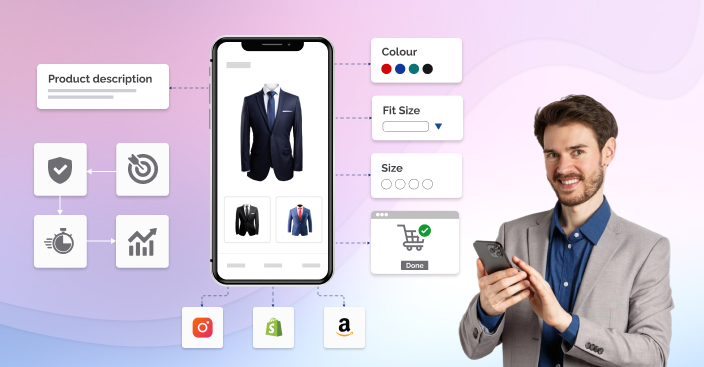
Table of Contents
The UK eCommerce and retail landscape is becoming increasingly competitive, with businesses managing growing product catalogues across multiple channels from websites and marketplaces to mobile apps and physical stores. As product data becomes more complex, maintaining accuracy, consistency, and speed across platforms is no longer easy.
This is where a product information management system becomes essential. It serves as a central hub for managing, enriching, and efficiently distributing product information across all sales channels.
But how do you know when your business actually needs one? Let’s explore the key signs UK businesses should look for in this detailed blog.
Key Signs Your Business Needs a PIM System
Identify the critical product data challenges that indicate it’s time to invest in a scalable PIM solution.
Your Product Data Is Scattered Across Multiple Systems
Many businesses store product information across spreadsheets, ERP systems, supplier documents, marketing tools, and eCommerce platforms. Managing data across disconnected systems quickly becomes complex and inefficient.
Common Challenges
- Duplicate or outdated product information
- Difficulty maintaining consistency
- Increased manual work for updates
- Poor visibility across departments
How PIM Helps
A PIM system centralises all product data into a single platform, ensuring teams always work with accurate and updated information.
Frequent Errors and Inconsistent Product Information
Manual data entry significantly increases the risk of pricing errors, incorrect specifications, duplicate content, and missing attributes.
Impact on Business
- Customer confusion
- Increased product returns
- Reduced customer trust
- Poor shopping experiences
In the highly competitive UK market, inconsistent product information can directly impact conversion rates and brand reputation.
How PIM Helps
PIM implementation automates product data management processes and ensures consistency across every sales channel.
Product Launches and Updates Take Too Long
Launching new products often requires coordination between marketing, operations, merchandising, and IT teams. Without streamlined workflows, product updates and launches become slow and inefficient.
Common Bottlenecks
- Manual approval processes
- Delayed product uploads
- Repetitive data entry
- Cross-team dependency issues
How PIM Helps
A PIM solution automates workflows, simplifies approvals, and accelerates product launches across all channels.

Managing Multi-Channel Commerce Has Become Difficult
UK businesses increasingly sell through multiple channels, including Shopify, Amazon, eBay, marketplaces, mobile apps, and their own websites.
Each platform has unique formatting, categorisation, and product data requirements, making consistency difficult to maintain manually.
Common Challenges
- Different channel requirements
- Data inconsistencies across platforms
- Time-consuming manual updates
- Difficulty managing regional catalogues
How PIM Helps
A PIM system enables businesses to distribute product information across multiple channels from one central platform while maintaining consistency and accuracy.
Your Product Content Lacks Depth and Quality
Modern customers expect detailed and engaging product experiences before making a purchase decision. Basic descriptions and low-quality product information are no longer enough.
Customers Expect
- Detailed descriptions
- Technical specifications
- High-quality images
- Videos and rich media
- SEO-optimised content
How PIM Helps
A PIM platform allows businesses to enrich product data with multimedia assets, specifications, and SEO-friendly content that improves customer engagement and conversion rates.
Teams Struggle to Collaborate Efficiently
When departments work in silos, product data updates become fragmented and inefficient.
Marketing, sales, operations, and IT teams often rely on different versions of product information, leading to confusion and delays.
Common Collaboration Issues
- Miscommunication between teams
- Inconsistent product updates
- Lack of workflow transparency
- Delayed approvals
How PIM Helps
A centralised PIM system improves collaboration by ensuring all teams work from the same accurate product database.
Your Product Catalogue Is Growing Rapidly
As businesses expand their product offerings, managing product data manually becomes increasingly unsustainable.
According to Statista, UK eCommerce revenue is expected to exceed £150 billion in the coming years, creating even greater pressure on businesses to manage growing product complexity efficiently.
Scaling Challenges
- Increasing SKU management complexity
- Manual processes becoming inefficient
- Difficulty maintaining consistency at scale
- Slower product onboarding
How PIM Helps
PIM systems are designed to scale with growing catalogues while maintaining operational efficiency and data consistency.
Your Existing Systems Don’t Integrate Properly
Many businesses struggle with disconnected technology ecosystems where ERP, CRM, eCommerce, and inventory systems fail to communicate effectively.
Common Problems
- Duplicate work across systems
- Data synchronisation issues
- Delayed product updates
- Operational inefficiencies
How PIM Helps
Through effective PIM development, businesses can integrate their PIM system with ERP, CRM, DAM, and eCommerce platforms to create a connected ecosystem.
Managing Digital Assets Is Becoming Difficult
Product images, videos, documents, and marketing assets are often stored across multiple folders and platforms, making management difficult.
Common Digital Asset Challenges
- Scattered media files
- Version control issues
- Inconsistent branding
- Difficulty locating assets quickly
How PIM Helps
When combined with digital asset management development, a PIM solution centralises digital asset management and ensures all product content remains consistent and easily accessible.
Compliance and Localisation Are Hard to Maintain
UK businesses must comply with regional product regulations, labelling standards, and localisation requirements.
Managing this manually across multiple channels can become highly complex.
Key Challenges
- Region-specific product information
- Regulatory compliance requirements
- Multi-language product content
- Localised catalogues
How PIM Helps
A PIM system enables businesses to manage localised and compliant product information efficiently across all regions and channels.

Benefits of Implementing a PIM System
A modern PIM solution offers long-term operational and commercial advantages for growing UK businesses.
Key Benefits
- Centralised product information management
- Faster product launches and updates
- Improved product data accuracy
- Better customer experiences
- Enhanced SEO performance
- Simplified omnichannel commerce management
- Stronger team collaboration
- Scalable infrastructure for growth
Conclusion
As UK businesses continue to expand their digital presence and product offerings, managing product data efficiently has become a critical challenge. From scattered data and inconsistent information to slow product launches and scaling issues, the signs are clear when a PIM system is needed.
Investing in the right PIM strategy enables businesses to centralise data, improve collaboration, and deliver consistent, high-quality product experiences across all channels. More importantly, it positions organisations to scale effectively in a competitive and fast-growing market.
With the right technology and implementation partner, a PIM system can transform product data management from a bottleneck into a powerful growth driver.
FAQs
 What is a PIM system?
A PIM system is a centralised platform used to manage, organise, and distribute product information across multiple sales channels. To understand the basics in detail, read our guide on Product Information Management (PIM).
When should a business invest in a PIM system?
Businesses should invest in a PIM system when they face challenges such as data inconsistency, slow product launches, and difficulty managing multi-channel sales.
How does PIM improve customer experience?
PIM ensures accurate, consistent, and enriched product information, helping customers make informed purchasing decisions.
Is PIM suitable for small businesses?
Yes, PIM systems are scalable and can benefit businesses of all sizes, especially those planning to grow their product catalogues.
What is the difference between PIM and DAM?
PIM manages product data, while DAM manages digital assets such as images and videos. Together, they create a complete product experience.